




1783 The first living creatures to ride in a balloon were a sheep, a duck and a rooster. All three survived the flight at Versailles.
Image: Unknown artist · Public domain
From the archive
Hello
I’m the team’s only C# engineer, and the engines run on CPU and GPU. I’ve won the bank’s digitisation competition and a Take Ownership award.
History, then marketing, then code. Each move was towards the work I liked most.
Six monthsfrom zero C# to production code
An experienced engineerabout two weeks
Me, new to ita couple of days
Before30–40 min
Afterunder 5 min
−40%page load
88%Core Web Vitals pass rate, up from 62%
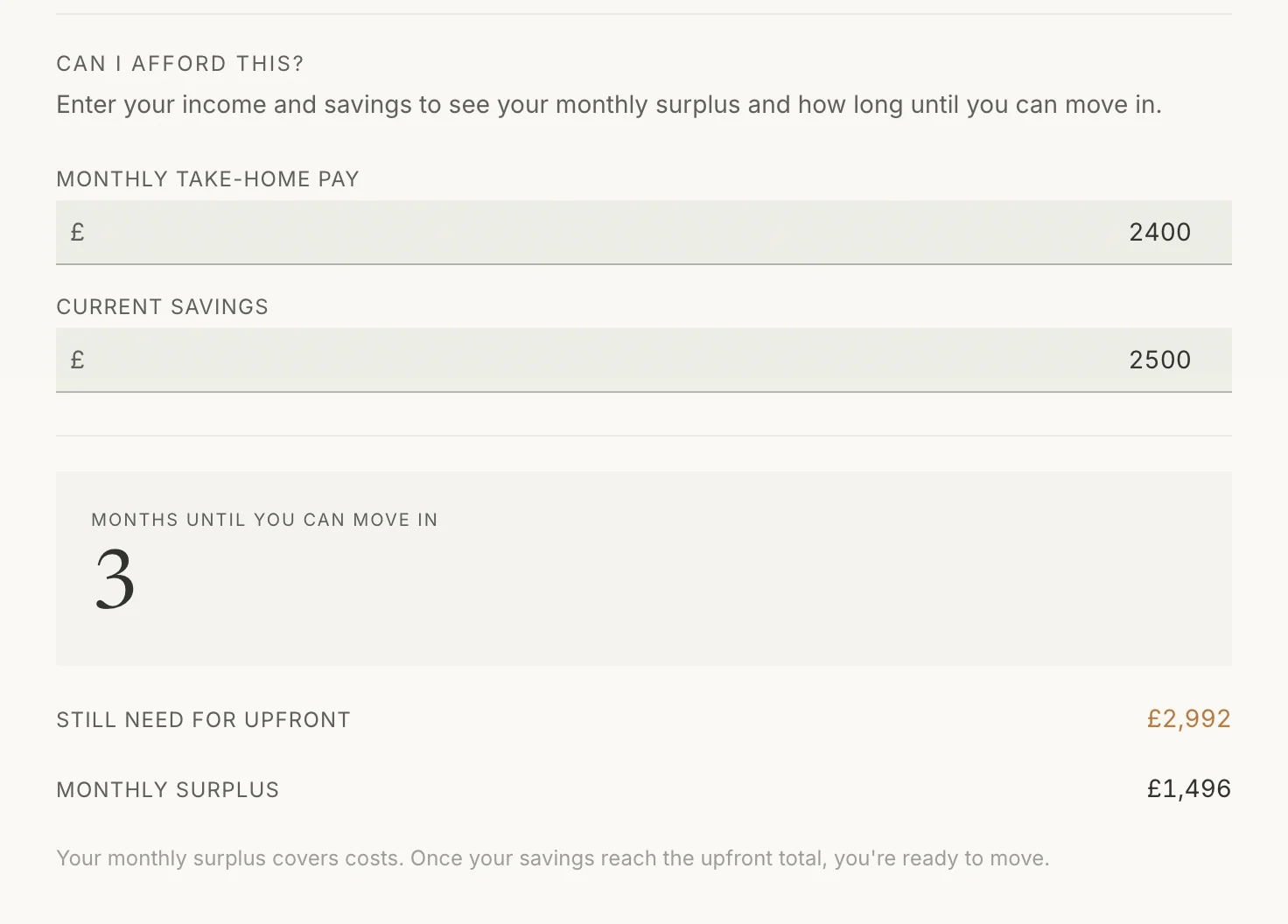
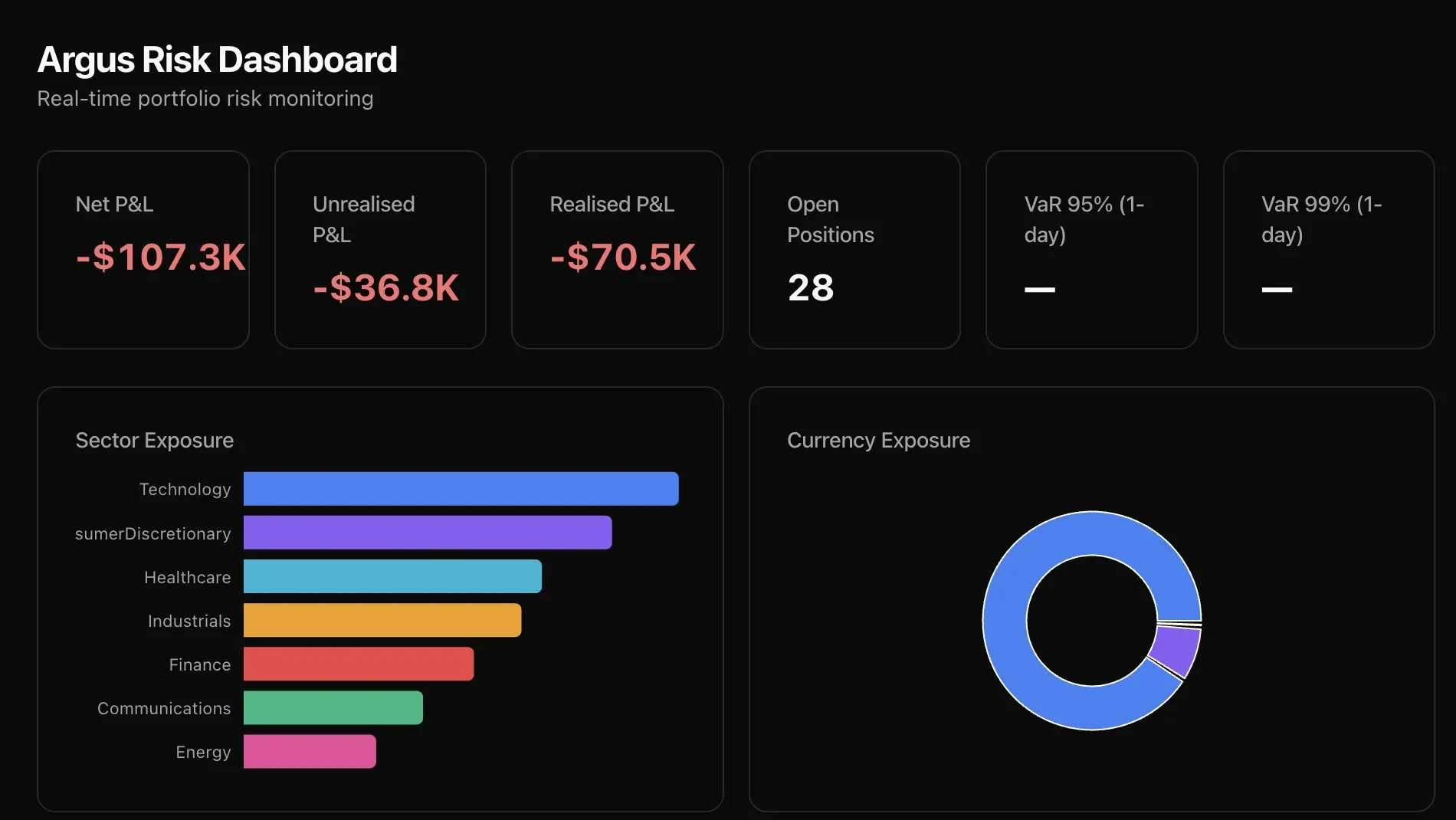
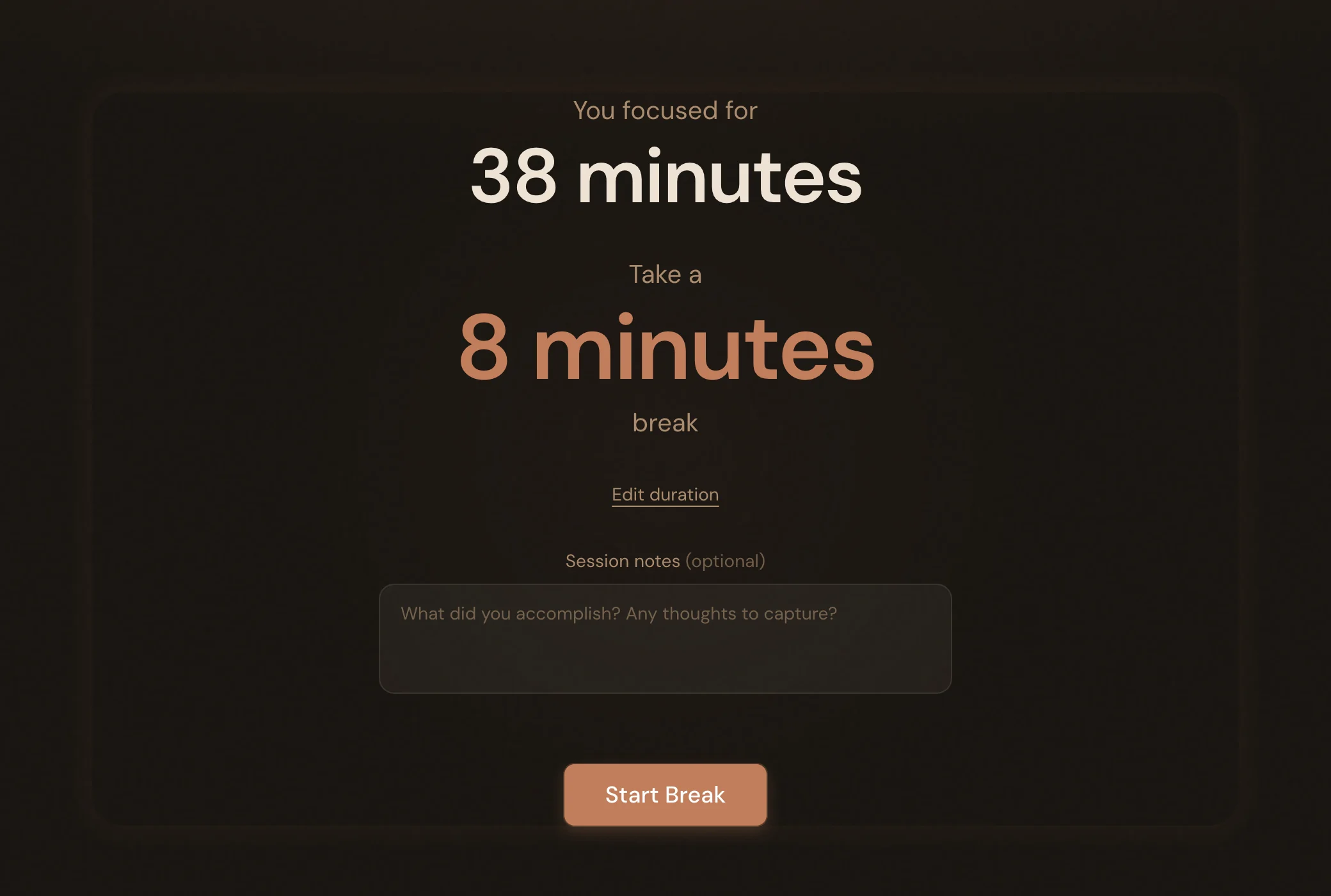
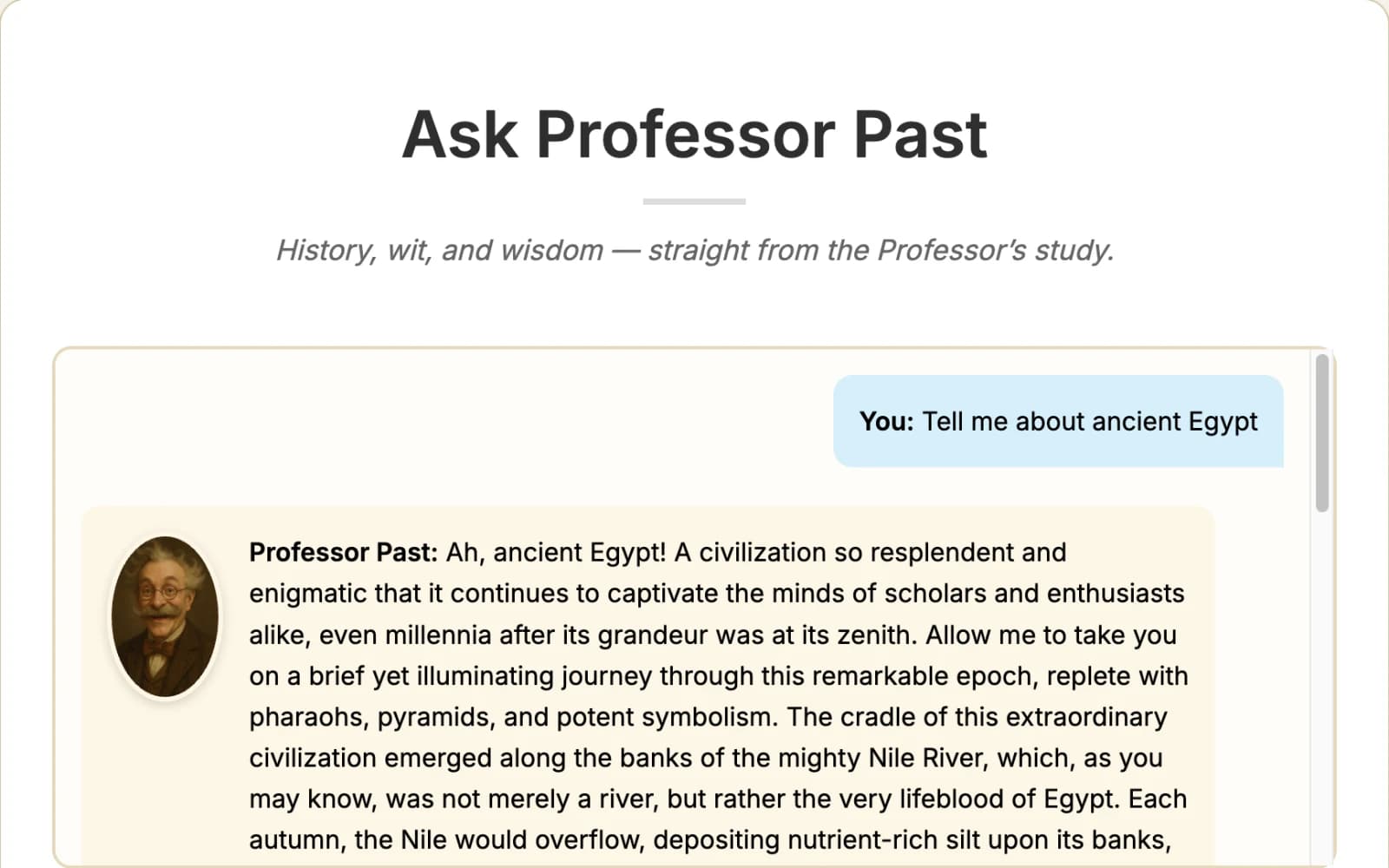
Products of my own, from a rental calculator to a risk simulator.
I’m working towards the judgement, depth and range to be trusted with what to build, building it well and getting it used. Here’s how far I’ve got on each.
At Optegra, split tests and dashboards guided what the engineers built next.
Six months from zero C# to production code, in a pricing engine of around 70 projects.
Threshold, from 57 user stories to a live site.
Four habits, and where I picked them up.
Before I build, I write down the problem, who it’s for, and what’s out of scope. Threshold had 57 user stories before any code.
At BNP Paribas, taking a stale data dependency out of live pricing, I put the new path behind a feature flag that defaults to off, with caching and an end-to-end test nobody had asked for.
I learned this in marketing. At Optegra, split tests and analytics dashboards showed which changes brought in consultations and guided what the engineers built next; consultation conversion rose by 15%.
What my own time looks like this week.
1783 The first living creatures to ride in a balloon were a sheep, a duck and a rooster. All three survived the flight at Versailles.
Image: Unknown artist · Public domain
From the archive
Live from GitHub
Personal site for Elias Bennett: the work, how I build it, and what I do off the clock. Next.js, Playwright-tested.
2,189 contributions in the past year
Use the arrow keys to move between days.